A mobile voting platform that lets a verified voter cast a ballot from anywhere, with every vote written to a blockchain so the result can be checked rather than simply trusted.
The client came to us with two problems. Voting means turning up at an assigned polling centre on a fixed day, so anyone away for work or study loses their vote. And the people who do turn up have no way to confirm the machine recorded the choice they made, which leaves close results open to argument.
Meera is the voter we designed around. She is 24, a postgraduate student two states from the constituency she is registered in, and every election so far has landed in the middle of term, so she has never cast a ballot.
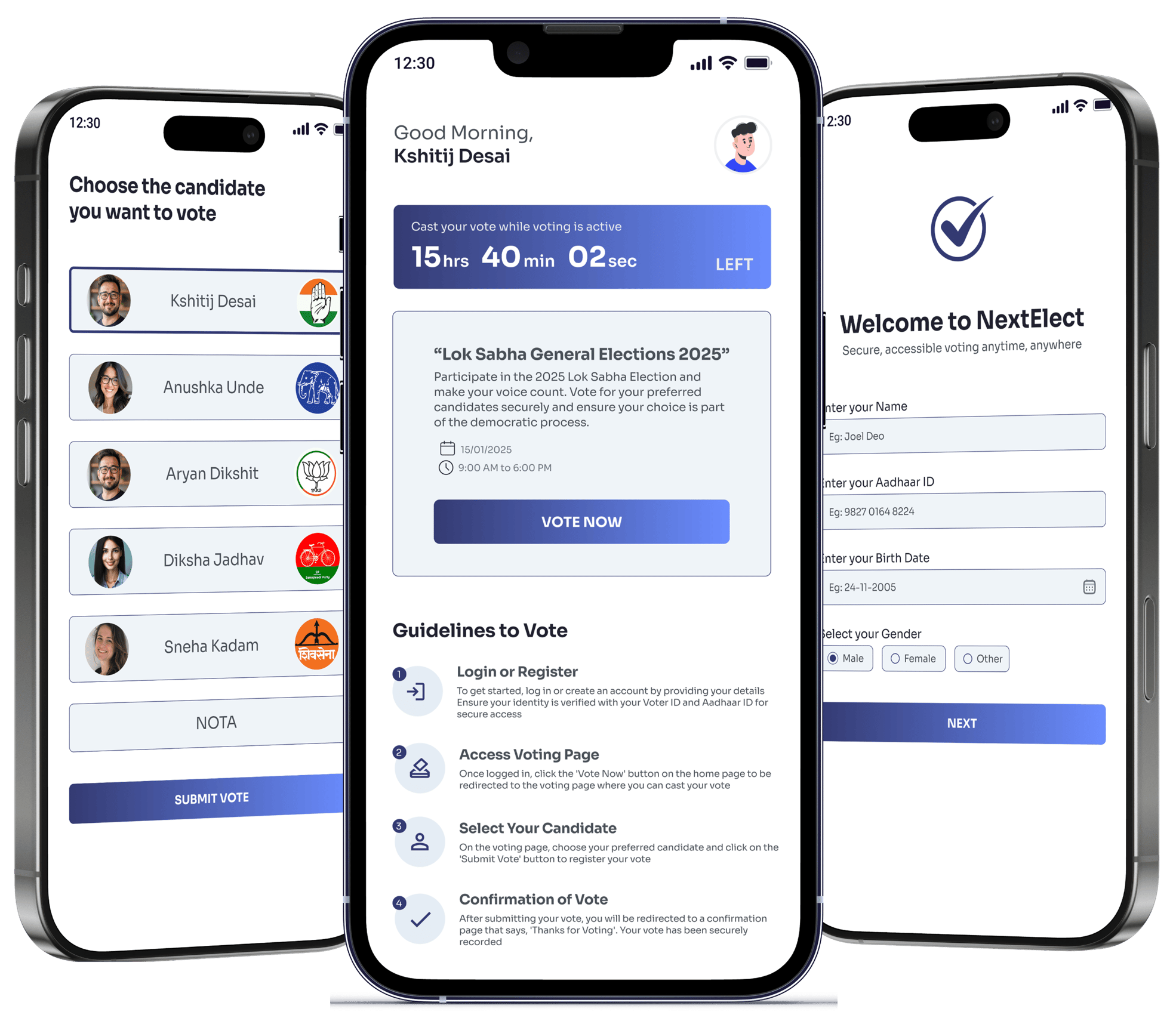
Working from there, we designed and built the complete experience: a Flutter app, a Node.js backend, and Solidity contracts holding the vote record itself. A verified voter can now vote from wherever they are, and every vote is written to a blockchain the result can be checked against.

Two problems shaped the brief. People who are away from home on polling day cannot vote at all, and the people who do vote have no way to confirm their ballot was recorded the way they cast it.
A vote can only be cast at an assigned polling centre on one fixed day. Anyone out of station for work, study or family loses their vote entirely, however much they wanted to use it.
Built a mobile voting flow behind identity verification, so a verified voter can cast a ballot from wherever they are and still be counted exactly once.
Strong security mechanisms can make applications difficult to use.
Kept blockchain interactions behind the backend while presenting users with a familiar mobile interface.
A voter presses a button and then has to take it on faith. There is no receipt, no independent record, and nothing a voter can point to afterwards, which is what leaves close results open to dispute.
Wrote every ballot to a blockchain ledger, so the record is tamper-evident by design and the count can be audited by anyone rather than trusted on the word of the operator.
The client had a fixed election date, so the platform had to be designed, built and tested against a deadline that could not move.
Prioritized the core voting journey, established a focused design system up front, and moved from user flow to high-fidelity implementation without a redesign in the middle.
Worked through the client's requirements to define the problem, the target voters, the voting journey and what the platform had to guarantee.
Studied common voting workflows and identified usability, trust, transparency, and accessibility requirements.
Planned the technical architecture connecting the Flutter mobile application, Node.js backend, and Solidity smart contracts.
Created the visual language, wireframes, high-fidelity screens, voting flow, and reusable interface components.
Implemented the mobile application and connected the frontend with the backend and blockchain infrastructure.
Tested the primary user journey, voting interactions, navigation, and system behavior to identify issues before delivery.
Integrated the mobile app, backend and contracts into a working platform, and handed it over ready for release.
Four outcomes the client can point to, one for each requirement the platform set out to meet.
Every ballot is written to the blockchain, so a result can be audited independently instead of being taken on trust.
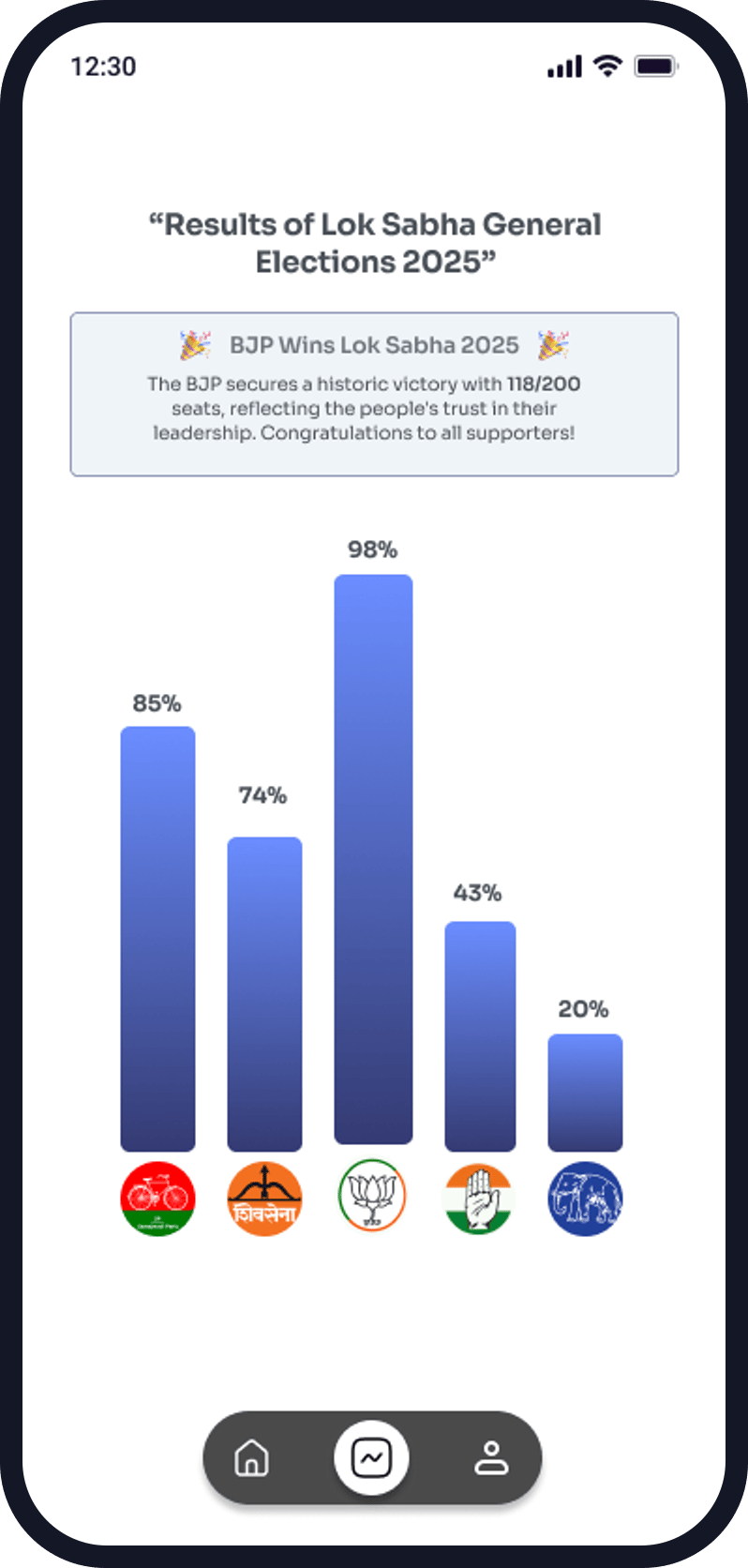
Used Solidity smart contracts to create a blockchain-backed voting mechanism.
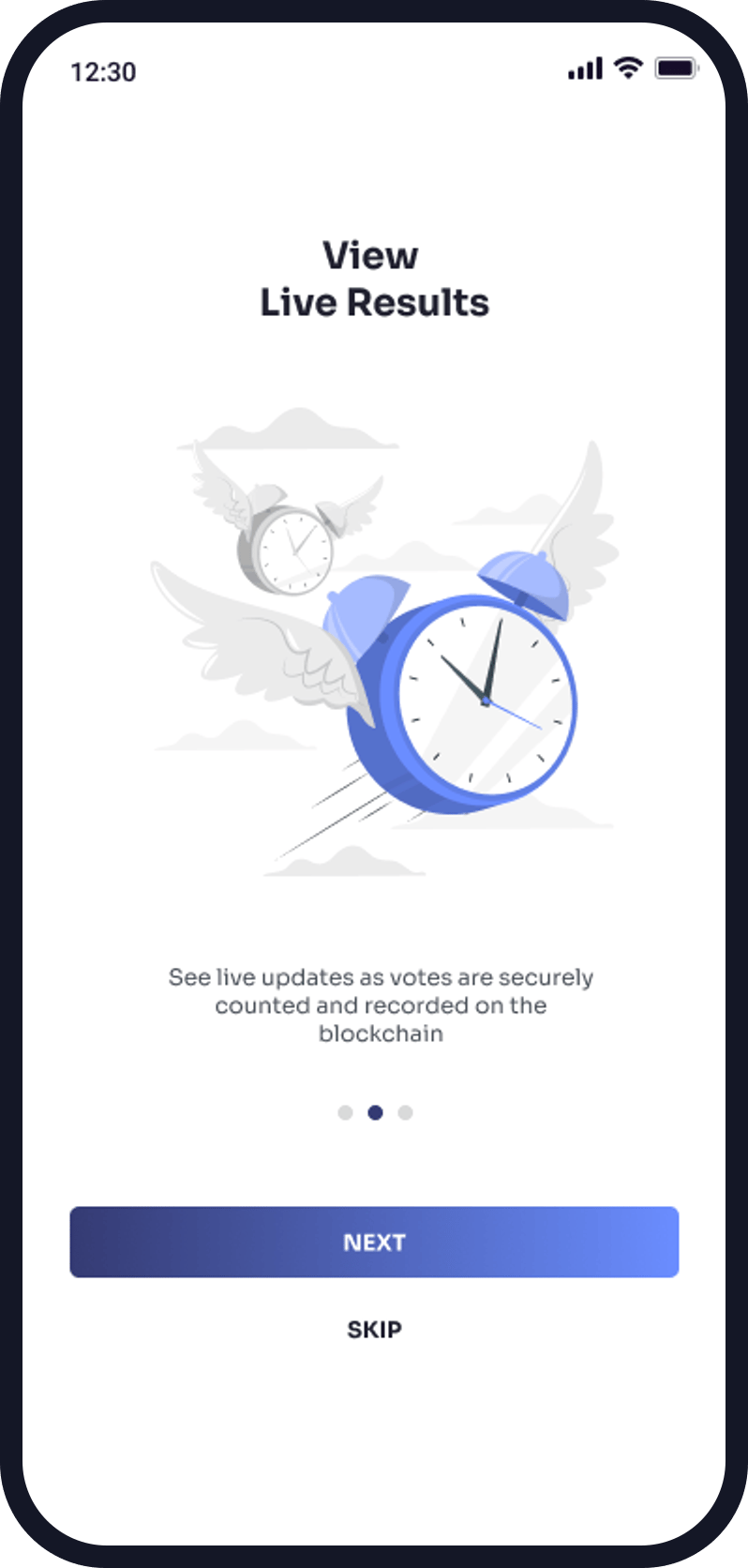
Being out of station on polling day stops being a reason to lose your vote. A verified voter casts a ballot from their phone in a few steps.
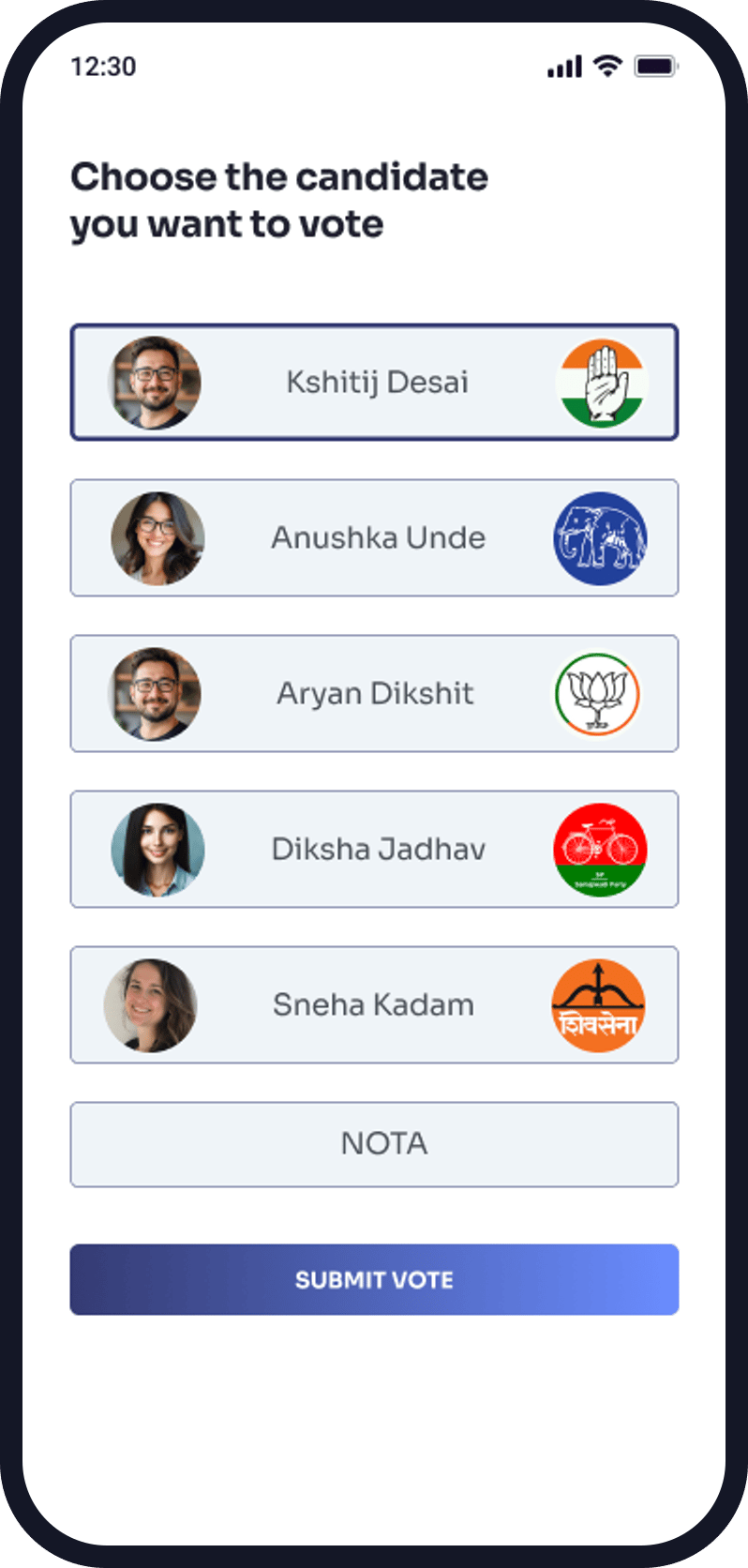
App, backend and smart contracts designed, built and handed over as one working platform, against a fixed election date.
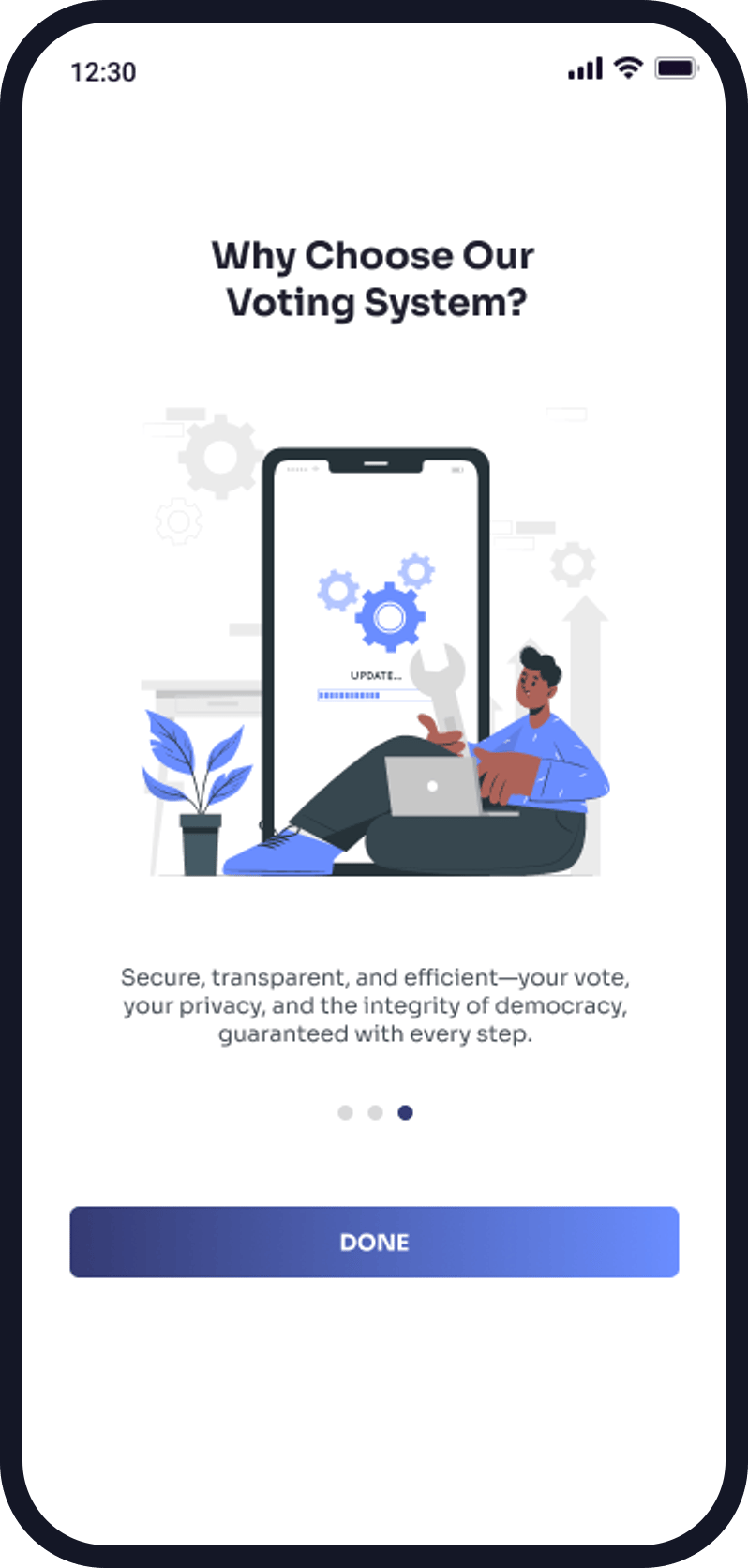
Trisparc turned our idea for a digital voting platform into a working product. They made NextElect feel simple for voters while keeping the blockchain secure behind the scenes.
Colour, type and components were settled before the first screen was built, so a voting flow that has to feel dependable reads the same way at every step.
Primary buttons, active nav, the brand mark
Accent and call-to-action, so voting actions are unmistakable
Screen background and card surfaces
Secondary background behind grouped content
Headings and primary copy
Supporting accent, tints and selected states
Subtle contrast, clear content hierarchy
Blue primaries make voting actions recognisable
Simple marks that reduce cognitive load
One spacing and alignment scale across screens
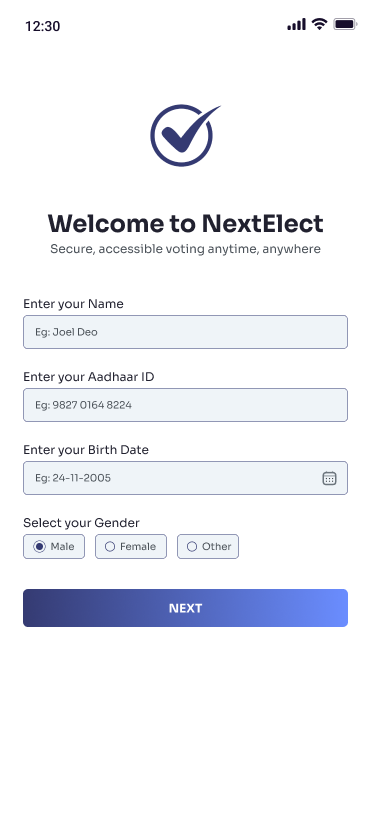
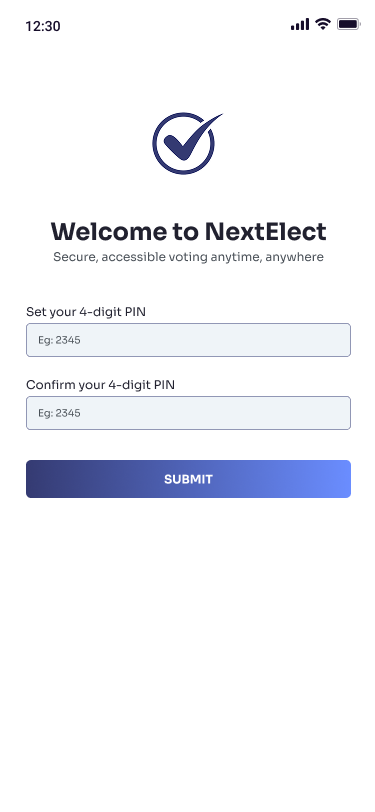
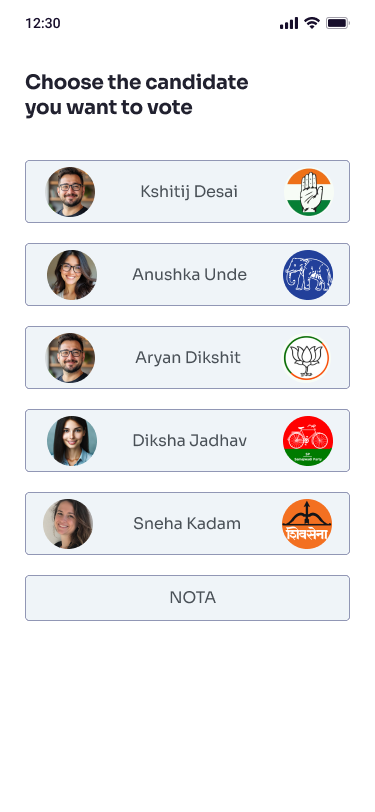
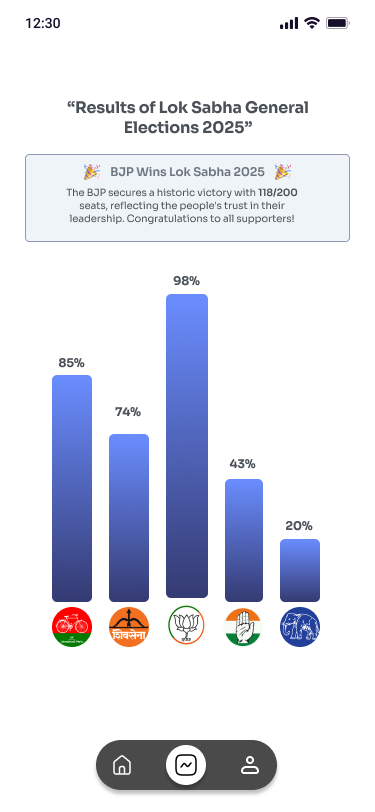
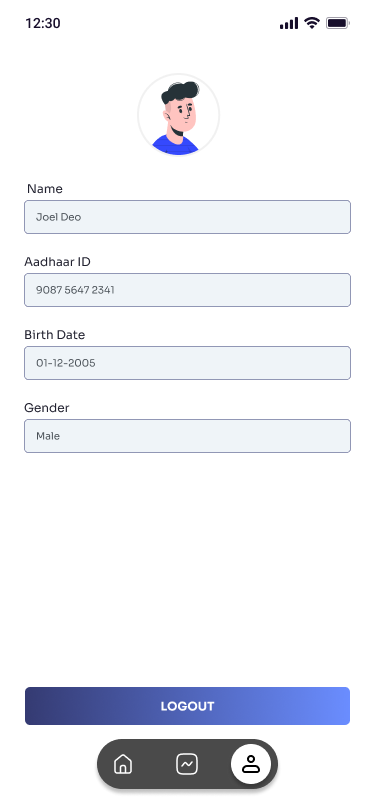
NextElect is a mobile voting platform that removes the polling centre from the equation and the doubt along with it. A verified voter can cast a ballot from anywhere, and because every vote is written to the blockchain, organisers and voters alike get a result they can independently verify rather than simply trust.